Home › Concrete Sealing and Maintenance
Protect your investment with concrete sealing in Austin, TX that guards against moisture, stains, and surface wear. We clean and seal driveways, patios, sidewalks, and decorative concrete to extend their life and keep them looking fresh. Regular maintenance helps your concrete resist damage and stay easier to clean.
Superior Concrete Austin provides professional concrete sealing throughout Austin, TX, Texas and the surrounding area. Our licensed, insured crew delivers safe, clean, on-time work with a free estimate before anything begins. Call (737) 258-3740 or request your free quote.
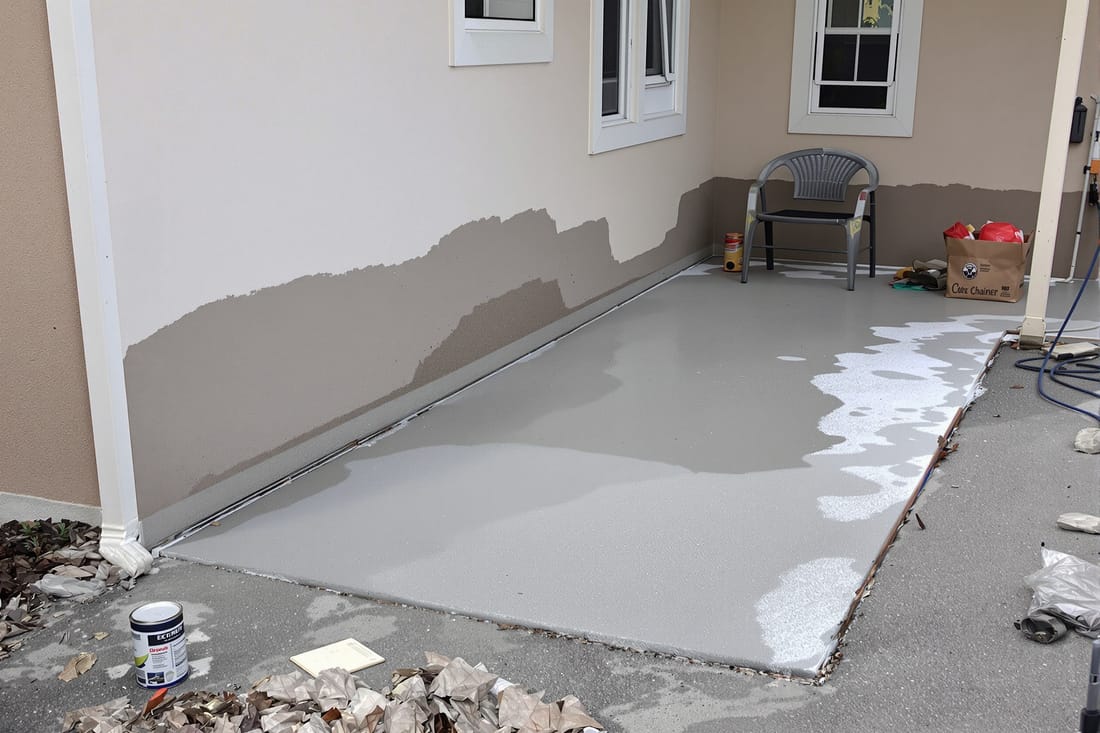
Concrete sealing in Austin that holds up to Central Texas weather
Concrete in Austin takes a beating. Intense summer sun, sudden thunderstorms, occasional freezes, and irrigation runoff all break down unsealed or poorly sealed slabs. Superior Concrete Austin focuses on concrete sealing and maintenance that is matched to the way concrete really ages in Central Texas, not a one-size-fits-all product from a big box store.
We seal and maintain driveways, patios, pool decks, walkways, garages, and small commercial slabs across Austin, from older neighborhoods with weathered concrete to newer builds with decorative finishes. Our goal is simple: slow down wear, reduce staining, and keep surfaces safer and easier to clean.
Before we talk product or price, we look at what you actually have. A 15-year-old broom-finished driveway off South Lamar with tire marks and old oil drips needs different prep and sealer than a newer stamped patio in Circle C or a slick interior garage floor in North Austin. We check the concrete age, hardness, prior coatings, shade versus sun, drainage patterns, and any surface damage like hairline cracking or scaling. That site-specific inspection is what lets Superior Concrete Austin recommend a sealer that will last in your exact conditions, not just in a lab test.
How our concrete sealing process works in the Austin area
Good concrete sealing is mostly preparation. Superior Concrete Austin spends more time on surface prep than on the actual application, because what is under the sealer decides whether it lasts one season or five years.
Step 1: Inspection and moisture check. We walk the slab and look for previous sealers, curing compounds, paint, or glue. If we suspect moisture coming up from below, which is common in low spots or near the greenbelt, we may do a simple moisture test. High vapor drive can cause some sealers to turn cloudy or peel, so we need to know that before choosing a product.
Step 2: Cleaning and degreasing. We apply a concrete-safe degreaser to lift oil, barbecue grease, and tire marks, then mechanically scrub and pressure wash. For driveways near busy streets in Austin, we often see fine black road dust that needs hot water washing to release. The surface must be clean enough that water sheets out evenly instead of beading or soaking in patchy.
Step 3: Surface repair. Cracks, spalls, and holes are filled with compatible patch materials. For wider cracks we route them slightly and use a flexible repair product so movement from Austin clay soils does not instantly reopen the joint. If the concrete has scaling or rough flaking near the surface, we may recommend a light grind to remove weak material before sealing.
Step 4: Light grinding or profiling when needed. If a previous coating is failing, or if the surface is too smooth, we use diamond grinders or shot blasting to open up the pores. Many Austin garages and interior concrete floors were power troweled very smooth, so they need this mechanical prep for sealers to bond properly.
Step 5: Sealer selection and application. Once the slab is dry and ready, we apply the chosen sealer by low-pressure sprayer, roller, or squeegee, depending on the product and texture. For broom finishes we usually spray and back-roll for even coverage. For stamped or textured decorative work we take care not to flood the joints, which can create puddled gloss.
Step 6: Curing and protection. We schedule sealing on days with favorable temperature and low chance of showers. Austin humidity and evening temperature drops matter, because they affect cure time. We set clear rules about when you can walk, place furniture, or drive on the surface. Ignoring those cure windows is a common reason DIY sealing fails, so we are strict about it for you.
Types of concrete sealers we use and when we recommend each
There is no single best concrete sealer for all Austin properties. Superior Concrete Austin keeps several categories of sealers available and we pick based on how you use the surface, how it looks today, and how you want it to look after.
Penetrating sealers (silane, siloxane, and blended products). These soak into the concrete and chemically bond, making the slab more resistant to water, de-icing salts, and mild staining without changing the surface texture much. We use these often on driveways in the Austin hills, where you need traction on slopes and do not want a glossy film that might get slick when it rains.
Acrylic film-forming sealers. These build a thin, visible film on top of the slab. They can be clear or tinted, and come in matte, satin, or gloss. We use UV-resistant acrylics on stamped patios, stained concrete, and decorative borders where you want colors to pop and have a slightly richer wet look. In full-sun Austin backyards we avoid cheap acrylics that turn yellow. We use solvent or water-based products that are formulated for high UV environments.
High-performance sealers and coatings. For shop floors, high-traffic garages, or small commercial spaces, we may use urethane or polyaspartic topcoats over a properly prepared base. These cost more, but offer better chemical resistance and long-term durability, which matters if you have lifted trucks, metalworking, or constant equipment traffic.
Anti-slip additives and surface texture. If you choose a film-forming sealer on a pool deck or frequently wet patio, we can broadcast a fine non-slip additive into the final coat so the surface still feels comfortable but offers better traction when wet. Around Austin pools, where sunscreen and water mix on the deck, this detail is important for safety.
Before we start, Superior Concrete Austin explains the pros and cons of each option in plain language: how often it will need to be re-coated, what maintenance looks like, and how it will age in Austin sun and occasional freezes. We avoid over-promising on lifespan, because even the best sealer needs re-application at some point.
Concrete maintenance plans tailored to Austin properties
Sealing is not a one-time fix. Concrete behaves differently over time depending on shade, traffic, nearby trees, and soil movement. Superior Concrete Austin offers simple maintenance plans so you do not have to guess when it is time to reseal.
Routine inspections. For many clients we stop by every 1 to 3 years, walk the slab, and look for early signs of wear: dulling of the sealer, increased water absorption, hairline cracking, or new stains. In areas with irrigation overspray or under live oaks that drop tannins, we often recommend shorter inspection intervals.
Cleaning schedules. Regular light cleaning is more important than aggressive once-a-year washing. For drivways and patios we often recommend a low-pressure wash 1 or 2 times a year, and spot treatment of oil or rust as soon as you see it. We can provide maintenance cleaning as a service, or leave you with product and instructions that will not damage the sealer we installed.
Resealing timing. In Austin sun, film-forming sealers on high-exposure patios typically need re-application every 2 to 4 years, depending on product and use. Penetrating sealers often last longer, but we still test water repellency over time. A simple hose test tells us a lot: if water stops beading and starts soaking in quickly, the slab is due for maintenance.
Movement and cracking. Central Texas soils are active. Even well-built slabs sometimes develop minor movement over time. We track recurring cracks and, if needed, adjust joint filling or recommend localized repair before resealing. Ignoring movement and simply applying more sealer over a problem area is a waste of money, so we address these items first.
Communication and documentation. With each maintenance visit, Superior Concrete Austin notes what was done, what products we used, and what we recommend next. That way, whether you stay in the home or sell, there is a clear history of care for your concrete surfaces. This is especially helpful for investors and property managers who oversee multiple homes in Austin and surrounding suburbs.
Cost factors and what Austin homeowners should consider before sealing
Concrete sealing costs in Austin vary, but there are consistent drivers that we explain upfront so there are no surprises.
Surface condition. A clean, relatively young broom-finished driveway with no prior coatings is the most straightforward and least expensive to seal. Once we have to strip failing sealers, remove paint, or grind a slick surface, labor and material use go up. Old acrylics that are peeling or turned milky from trapped moisture are especially time consuming to correct, which is one reason we see a lot of DIY projects become more expensive to fix than if they had been done correctly the first time.
Access and layout. Wide open driveways off a main street are faster to work on than tight back patios that require hose and equipment runs around landscaping or through gates. Multi-level or heavily stamped surfaces need more attention to avoid puddling in low spots, which adds time.
Product choice. Penetrating sealers tend to sit in the mid-range on cost. High-build decorative acrylics, especially solvent-based formulas suitable for Austin UV conditions, and high-performance urethane or polyaspartic systems cost more in both materials and labor. We always provide options so you can balance appearance, performance, and budget.
Timing and weather. Good sealing work must respect weather windows. In Austin this usually means starting work earlier in the day to avoid the hottest temperatures, or timing jobs between storm fronts. Trying to rush a project just before a storm or in the middle of a heat wave increases risk of surface defects, so we plan realistically and communicate schedule options clearly.
Before you hire anyone for concrete sealing, ask for specifics: what surface prep they will perform, what exact product line they will use (not just a generic label), how many coats, and what their policy is if the sealer fails prematurely under normal use. Superior Concrete Austin answers those questions in writing, so you know exactly what you are paying for and what to expect over the next several years.