Home › Concrete Foundations and Footings
Support your structure with properly built concrete foundations in ATX, TX. We pour footings, grade beams, and pads for additions, decks, porches, and more. Get code compliant concrete footings that handle local soil conditions and carry the load for the long term.
Superior Concrete ATX provides professional concrete foundation throughout ATX, TX, Texas and the surrounding area. Our licensed, insured crew delivers safe, clean, on-time work with a free estimate before anything begins. Call (737) 258-3740 or request your free quote.
Concrete foundations in Austin that are built for our soil, not a brochure
Austin is a tough place to build a concrete foundation. We have clay that swells and shrinks, limestone ledges that show up mid-dig, and big swings between drought and heavy rain. At Superior Concrete ATX, our whole approach to concrete foundations and footings starts with what is actually under your feet in ATX, not a one-size-fits-all plan.
Every project begins with a site and soil review. If you already have a geotech report, we study it. If not, we use local experience from jobs in areas like Circle C, East Austin, Pflugerville, and Lakeway to anticipate what we are getting into and recommend testing when it matters. That helps us decide the right footing width, depth, and whether you need standard spread footings, thickened edge beams, or deeper piers tied into your foundation.
We talk through how you plan to use the building. A small backyard ADU needs a different approach than a heavy custom home or a workshop that will hold a lift and a truck. Super heavy loads might need wider or deeper footings, extra rebar, or higher concrete strength. You will see those decisions in a clear written proposal, so you are not guessing why something costs what it does.
Because we work only in this region, we are familiar with city of Austin setbacks and common requirements from local engineers. That local familiarity helps keep designs realistic, permits smoother, and inspections predictable. You get a concrete foundation that is tailored to Austin conditions, not just a generic slab copied from somewhere else.
How we build a concrete foundation, step by step
A clean, well planned process is the difference between a foundation that performs and one that causes headaches. Here is how Superior Concrete ATX typically handles a concrete foundation and footing project in the Austin area.
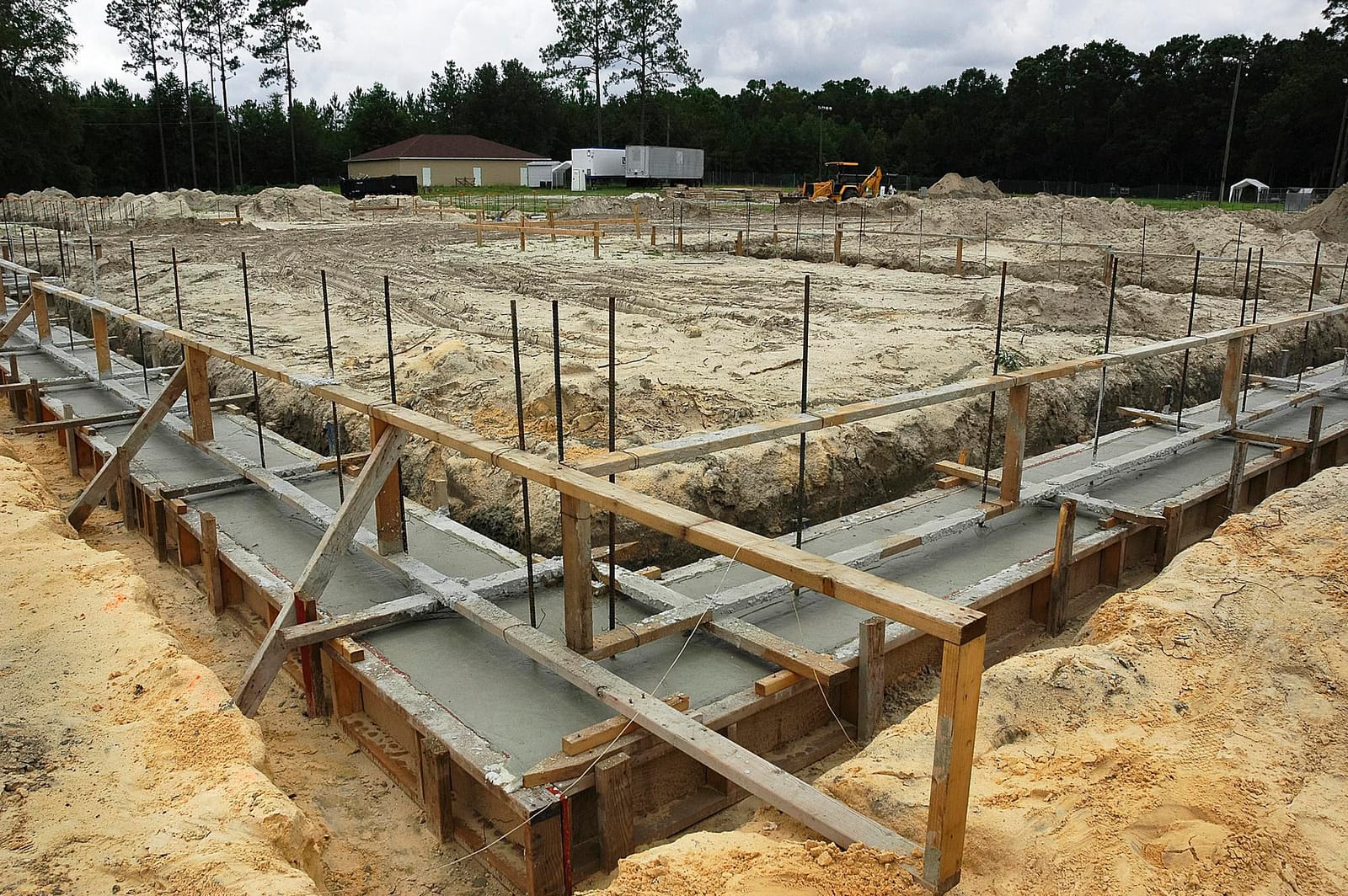
1. Layout and excavation: We start by confirming layout off of your survey or plans, then mark out the footprint and key load areas. Our crew digs footings and beams to the required depth and width, often deeper on the perimeter to handle Austin clay movement. On sloped lots in West Austin or the Hill Country edge, we may terrace or bench the pad to reduce future movement.
2. Subgrade prep: We remove soft or organic material and compact the soil with plate tampers or rollers. On highly expansive clay or fill, we may bring in select engineered fill or use a layer of compacted road base to create a stable platform. Proper compaction is one of the cheapest ways to avoid cracks and settlement down the road.
3. Formwork: We build wood forms that define the exact shape and elevation of your slab and footings. In tight Austin neighborhoods with small access, we design forms to work around fences and trees while still hitting code-required setbacks. We double-check elevations so finished floor lines up with existing structures, driveways, or drainage plans.
4. Reinforcing steel and vapor barrier: We place rebar per the engineer’s plan, tying grid patterns and extra bars at corners, openings, and heavy load areas. At this stage we also install a vapor barrier or moisture membrane under the slab where required, and any thickened sections or grade beams that run through the interior.
5. Plumbing and utilities: Coordination here matters. We work with your plumber and electrician to make sure all under-slab pipes, sleeves, and conduits are in place and properly supported so they do not shift during the pour. Fixing a missed drain after concrete is poured is expensive, so we slow down and double-check.
6. Inspections: Before we pour, the city or county inspector and often your structural engineer review the forms, rebar, and rough-ins. If they want a tweak, we handle it on the spot and walk you through what changed.
7. Concrete placement and finishing: We order the right mix design for your job, taking weather into account. In a hot Austin summer we may add set retarders or pour earlier in the morning to avoid rapid drying and shrinkage cracking. Our crew places concrete, vibrates beams and footings to remove air pockets, strikes off the surface, and finishes to the texture your project calls for.
8. Curing and cut joints: After finishing, we protect the slab from rapid moisture loss with curing compound, plastic, or light watering schedules, depending on the situation. We return to saw control joints at planned locations to help manage inevitable shrinkage and steer cracks into low-visibility areas that do not affect structure.
Foundation types, footing options, and what makes sense in ATX
Not every concrete foundation in Austin should be built the same way. At Superior Concrete ATX, we help you match the foundation system to your soil, budget, and long-term plans.
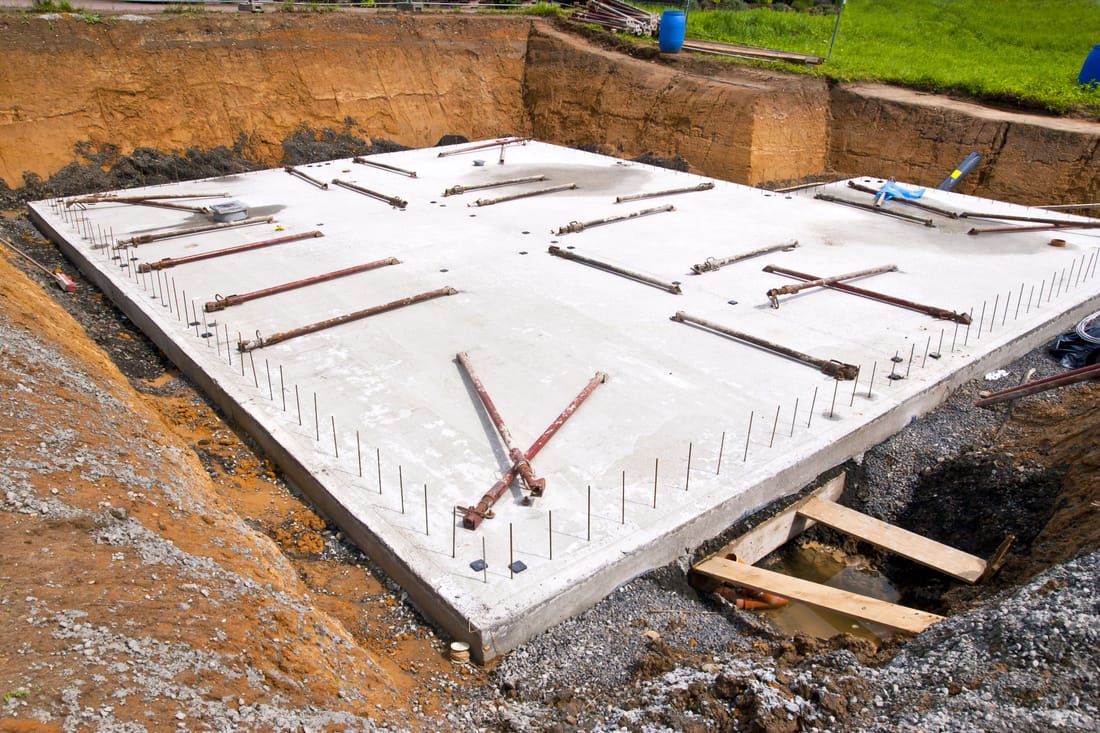
Slab on grade with perimeter beams is the most common for new homes and garages. This is a single monolithic pour where the thicker beams support the load-bearing walls and the interior slab carries floor loads. For many Austin lots with moderate clay, a well designed slab on grade with proper reinforcing and drainage performs very well.
Pier and beam or slab with drilled piers is more common on sites with high movement potential or noticeable slope. We drill concrete piers down to more stable soils or into weathered rock, then tie the slab back to those piers with rebar. This adds cost, but it can dramatically reduce differential movement on challenging lots. It is especially useful near greenbelt edges, older filled lots, and parts of North Austin with problem soils.
Thickened edge footings or grade beams are used when we need to transfer loads across softer spots or span over utility easements that cannot be heavily loaded. For detached shops, RV pads, and heavy equipment slabs, we may design isolated spread footings under columns or machinery and a slightly lighter slab between them.
We also consider environmental and comfort factors. If energy efficiency is a priority, we can discuss foam edge insulation details and thermal breaks at the slab perimeter. If you plan polished concrete floors, we will talk about mix design, aggregate choice, and joint layouts that matter later for appearance.
Instead of pushing one solution, we walk you through tradeoffs. A more robust foundation might cost more on day one, but it can save money on repairs and remodeling flexibility. You see the reasoning, not just the price.
What affects cost and how we help you avoid surprise expenses
Concrete foundation pricing around Austin can vary widely. Understanding what drives cost lets you compare bids on more than just the bottom line.
Soil and site conditions: Highly expansive clay, deep fill, or a lot full of buried debris can add excavation, over-excavation, or pier costs. Rock close to the surface can slow digging and require different equipment. At Superior Concrete ATX, we call out these risks ahead of time when we can see them, and we structure bids so you know what is included and what would count as an allowance or change.
Foundation type and thickness: More concrete and more rebar cost more. A basic 4 inch residential slab with modest beams is very different from a 6 inch slab with closely spaced rebar and drilled piers. We align design choices with how long you expect to own the property, the loads you anticipate, and your tolerance for movement or cosmetic cracking.
Access and logistics: Narrow Austin alleys, big trees you want to preserve, or steep driveways can all affect how we mobilize trucks and equipment. Sometimes we need smaller loads or pump trucks instead of direct chutes, and that changes the price. We plan this early so you are not caught off guard on pour day.
Timing and weather: In peak summer or during wet seasons, we may need additional labor, additives, or schedule splits to keep quality up. We would rather plan two smart pours than rush one oversized pour that is hard to finish in 100 degree heat.
To keep costs predictable, we walk the site with you, review plans carefully, and point out where you can save without sacrificing structural integrity. For example, simplifying slab shape, coordinating plumbing routes to reduce under-slab crossings, or adjusting elevations to limit retaining work can all help without weakening the foundation.
Throughout the job, we communicate in normal language instead of jargon. When something in the field suggests a change, we explain the structural reason, show you the location, and provide a clear cost impact before we proceed.
Common Austin foundation problems and how we build to prevent them
If you live in the Austin area, you have seen what our soil and weather can do to poorly built foundations: doors that stick every spring, cracks that open and close with the seasons, and garage slabs that slope toward the house instead of away from it. Superior Concrete ATX designs concrete foundations and footings with these local issues in mind from day one.
Movement from moisture swings: Austin clay swells when wet and shrinks when dry. To reduce the impact, we pay close attention to footing depth, reinforcement, and site drainage. Proper slopes, gutters, and sometimes simple swales can keep water away from edges so the soil under your foundation stays more consistent.
Poor compaction and fill: We often see problems where builders poured over soft or un-compacted fill. Our crews probe and test the subgrade as we work. If we hit spongey spots, we remove and replace them with compacted material instead of ignoring them. It slows us down that day, but it drastically lowers the chance of later settlement.
Inadequate reinforcing or control joints: Hairline cracks are normal in concrete, but wide, uneven cracks usually trace back to weak reinforcement or missing joints. We follow engineered rebar layouts closely and place control joints in logical patterns based on the slab shape, expected shrinkage, and load points. For garages and workshops we consider where vehicles will drive and park so joints do not fall directly under heavy wheels.
Tree roots and landscaping: Austin homeowners love their shade trees, but big oaks and elms can pull moisture from the soil and cause differential movement. When trees are close, we may adjust footing design, recommend root barriers, or at least discuss realistic expectations about ongoing tree and foundation interaction.
If you are planning a new build, addition, or accessory dwelling unit in ATX, getting the concrete foundation right is the single best investment you can make in the structure. Superior Concrete ATX is happy to review your plans, talk through our approach, and provide a detailed proposal that shows exactly what you are getting in terms of footings, slab design, rebar, and concrete specs so you can move forward with confidence.