Home › Commercial Concrete Repair and Restoration
Keep your facility safe and operational with commercial concrete repair in ATX, TX. We address slab spalling, joint damage, and sidewalk trip hazards quickly and effectively. Extend the life of your concrete surfaces while reducing liability and downtime.
Superior Concrete ATX provides professional commercial concrete repair throughout ATX, TX, Texas and the surrounding area. Our licensed, insured crew delivers safe, clean, on-time work with a free estimate before anything begins. Call (737) 258-3740 or request your free quote.
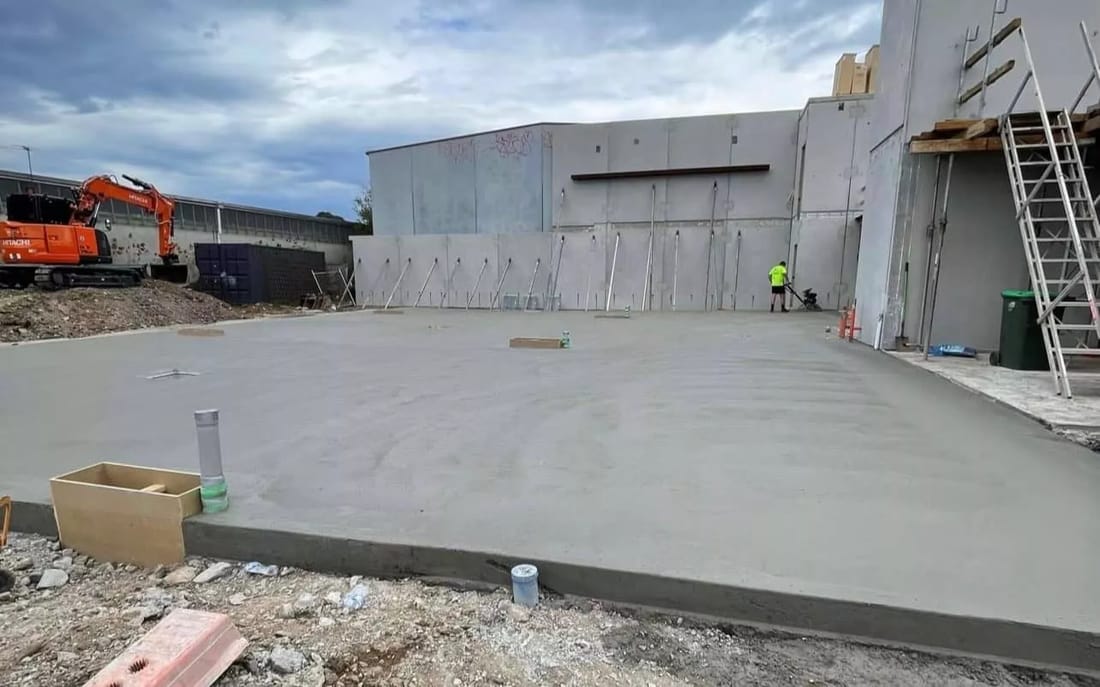
Commercial Concrete Repair in ATX That Holds Up to Real Use
When a commercial slab starts cracking or spalling in Austin, the problem is usually more than cosmetic. Trip hazards, ponding water, forklift damage, and exposed rebar can all turn into liability issues or shutdowns. Superior Concrete ATX focuses on practical, long-lasting commercial concrete repair that fits how your property is actually used, whether it is a warehouse, retail center, restaurant, multifamily complex, or office building.
On commercial properties around Austin, concrete problems usually come from three things working together: the blackland clay soils that shrink and swell, heavy traffic loads, and water that is not draining where it should. We start every job with a site walk, pictures, and measurements. We look at how vehicles and pedestrians move, where water collects, how the joints were cut, and whether there are signs of subgrade failure like hollow sounds under the slab or differential settling.
Instead of jumping straight to replacement, we decide what can be saved and what must be removed. In many cases we combine several methods on the same property, such as joint rebuilds at loading docks, partial depth patching near doorways, and full panel replacement where the base has completely failed. The goal is to get you a safer and cleaner surface while minimizing downtime for tenants, customers, and deliveries.
Step‑By‑Step: How We Repair Commercial Concrete in Austin
A solid commercial concrete repair job follows a clear process. Superior Concrete ATX breaks it into stages so you know what is happening and why.
1) Assessment and testing. We check slab thickness, look for structural cracks versus surface crazing, and probe spalled areas to see if rebar is corroded. On critical slabs like warehouse aisles and dumpster pads, we may core small samples or use a chain drag to find delaminated areas that sound hollow.
2) Cause correction. Repair without fixing the cause will not last. On many ATX properties, that means improving drainage, redirecting downspouts, or cutting relief joints where the original concrete contractor skipped or mislocated them. If heavy trucks or dumpsters are crushing slab edges, we may recommend thicker replacement sections or steel‑reinforced aprons.
3) Concrete removal and surface prep. Failed sections are sawcut into clean squares or rectangles, usually at least to the nearest joint line so you avoid random fracture lines. We remove deteriorated concrete with hammers or small breakers, then clean and roughen the exposed base. If the subgrade is soft or pumping, we re‑compact and sometimes add base rock to stiffen it.
4) Repair method selection. For shallow spalls, we might use a high strength polymer modified repair mortar that bonds well and can reopen to foot traffic within hours. For deeper damage, we often place new ready‑mix concrete, matched to the existing strength and exposure, with doweled connections into the adjacent slab to control movement.
5) Placement, finishing, and curing. New concrete is placed, consolidated, and finished to match your existing texture, from broom finish on sidewalks to hard trowel in interior spaces. We reinstall or cut new control joints and apply curing compounds or wet curing methods so the patch does not dry too fast in the Central Texas heat.
6) Final checks and re‑opening. We walk the repairs with you, confirm slopes to drains, verify joints are clean and sealed where needed, and give you realistic timelines for when light traffic, forklifts, or heavy trucks can return.
Restoration Options: From Trip Hazards to Full Panel Replacement
Commercial concrete restoration covers more than patching holes. The right approach depends on how the slab is failing and how the area is used.
Trip hazards and uneven panels. On sidewalks and entryways, small height differences can often be corrected by grinding rather than full replacement. We use concrete grinders to bevel raised edges and smooth transitions so carts and wheelchairs can roll smoothly. If movement is excessive or the slab is broken through, we will recommend replacement of one or more panels with proper expansion joints so the issue does not repeat.
Joint and edge failure. In warehouses and drive lanes, joint edges take a beating from hard wheels. When these chip out, forklifts start to rattle and the damage accelerates. Superior Concrete ATX cuts out the loose material, cleans and re‑establishes the joint, installs semi‑rigid joint filler where appropriate, and uses high strength repair mortars at the shoulders. This restores support to wheel loads and reduces impact on both the slab and your equipment.
Spalling and surface scaling. In areas exposed to de‑icers, chemical washdowns, or frequent wetting and drying, the top layer of concrete can start to flake. If the damage is shallow and the base slab is sound, we may resurface with a bonded overlay or polymer modified topping that is broomed or textured to match. For deeper deterioration with exposed aggregate and rebar, we chip back to solid concrete, treat any corroded steel, and rebuild the surface in layers.
Full depth replacement. When slabs settle badly, rock under vehicle loads, or show widespread structural cracking, localized patching will not last. We sawcut and remove full panels, rebuild the base with compacted material, and pour new concrete with rebar or dowel baskets sized to your loads. On dumpster pads, loading docks, and fire lanes, we often increase thickness and upgrade reinforcement because the original design was underbuilt for real world use.
What Affects Cost and Schedule for Commercial Concrete Repair in ATX
Property managers and facility owners usually want to know what drives the price and how quickly the work can be completed. In Austin, the main cost factors for commercial concrete repair are access, thickness, cause of failure, and required downtime.
Access and phasing. Tight courtyards, active drive‑thrus, and busy loading docks take longer because we have to stage equipment carefully and may need to work in small phases. Night work or weekend work is often the best option to keep tenants open, but it does increase labor cost. Superior Concrete ATX plans detours, barricades, and signage so customers and deliveries can still navigate the property.
Slab thickness and reinforcement. Thicker concrete and heavily reinforced sections cost more to demo and replace. A 6‑inch dumpster pad with rebar takes more time and materials than a 4‑inch sidewalk panel. We confirm thickness during assessment so estimates are realistic and you are not surprised later.
Subgrade and drainage corrections. If we find soft soils, voids from past plumbing leaks, or chronic water flow against the slab, we will recommend subgrade repair or drainage adjustments. This might add tasks like importing base rock, installing a french drain, or reworking a swale, but it is often the difference between a repair that lasts 2 years and one that lasts 15.
Material selection and cure times. Fast‑setting products that can open to forklifts or cars within a day typically cost more than standard concrete. We match materials to your schedule and risk tolerance. For a low traffic corner of a lot, a standard mix might be fine. For a main drive lane or store entry, the cost of closing for several days is often higher than the upcharge for accelerated mixes or specialty mortars.
Why Local Experience Matters for Austin Commercial Concrete
Austin’s soil and weather create specific problems that out of town contractors sometimes underestimate. The expansive clay in many ATX areas swells when wet and shrinks when dry, which can lift or drop slabs along joints and edges. Combine that with intense sun, occasional winter freeze events, and the heavy traffic that busy commercial sites see, and you get a mix where shortcuts fail quickly.
Superior Concrete ATX has worked on retail centers off I‑35, older office buildings near downtown, and industrial spaces along 183 and in surrounding suburbs. We are familiar with city and county requirements for accessible routes, ramp slopes, and clearances, so when we repair or replace a panel we keep ADA compliance and drainage in mind. That helps you avoid problems during inspections or tenant build‑outs.
Local knowledge also helps with timing and logistics. In summer, we adjust pour times to early morning or evening to control rapid drying and reduce the risk of plastic shrinkage cracking. In winter cold snaps, we use admixtures and protective measures so new repairs are not damaged by unexpected overnight freezes. We also account for Austin traffic patterns when scheduling large concrete deliveries so there are fewer delays and cold joints.
If you are planning commercial concrete repair in ATX, collect a few key pieces of information before you call: recent photos of the damage, rough dimensions of the affected areas, the type of traffic in that area (pedestrian only, passenger cars, box trucks, or 18‑wheelers), and any known history like past plumbing leaks or previous repairs that failed. With that, Superior Concrete ATX can give you a more accurate plan and help you prioritize which repairs need immediate attention and which can be phased over time to fit your budget.